
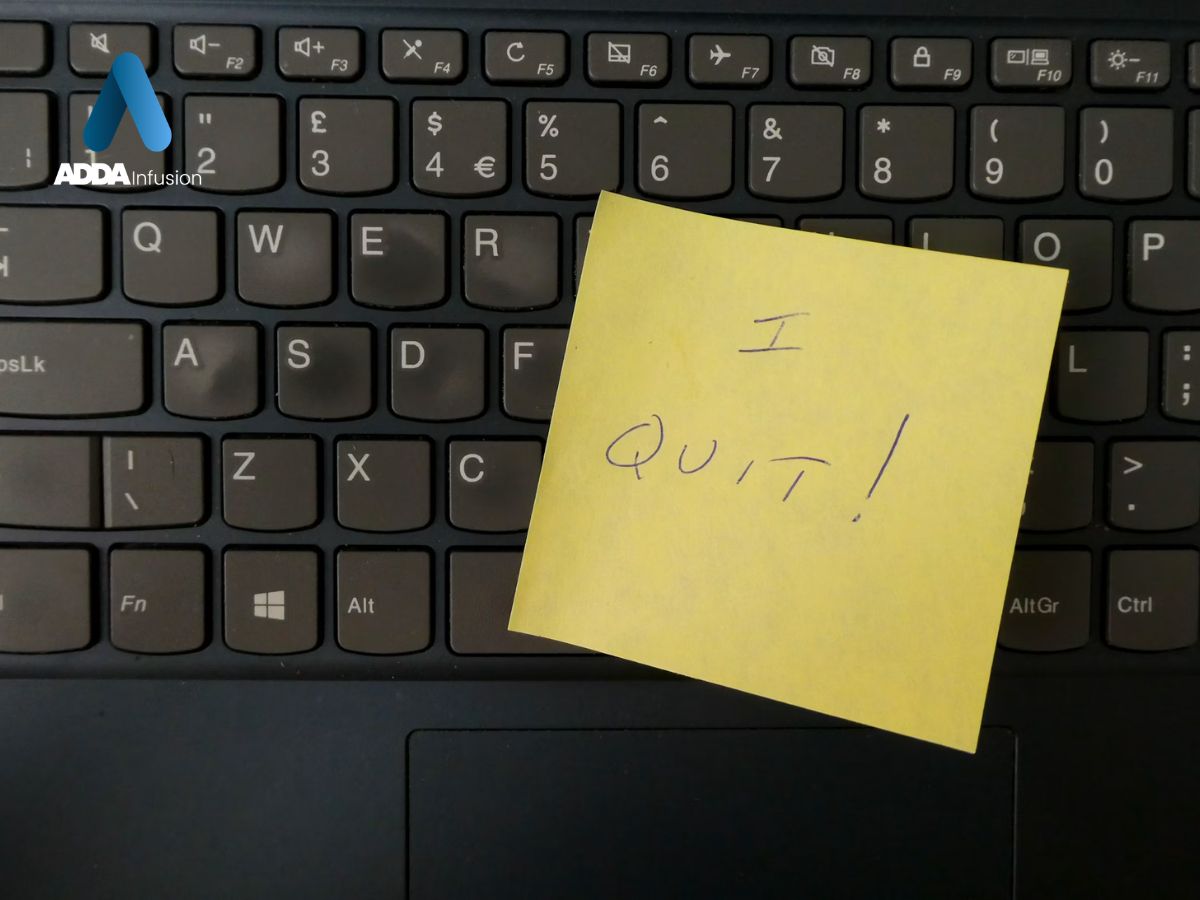
You probably won’t find out someone is leaving until they put in their notice.
By then, in most cases, the decision was made weeks ago.
Summer tends to be when this plays out.
People go on vacation, get some headspace, start browsing jobs on their phones and come back with a plan.
If you haven’t spotted the signs early enough, you’re already behind.
This quick guide covers two things:
• What to look for before someone gets to that point,
• And how to handle it properly when they do tell you.
How to spot the signs that someone might leave
A few things that often show up in the weeks or months before a resignation:
• Withdrawal from team conversations or activities that they used to engage in
• Doing the minimum and nothing more
• A pattern of last-minute sick days or increased absences
• Visibly checked out in one-on-ones or team meetings
• Quietly documenting their work or tidying up processes nobody asked them to tidy
• A change in how they talk about the future
None of these taken individually means that someone is about to quit. But if you’re seeing a few of them at once in the same person, it’s worth having a conversation.
What you can do before it reaches a resignation
Regular one-on-ones that go beyond task updates are the most useful thing you can put in place.
Ask directly whether someone is happy. Ask if there’s anything you should be talking about.
When someone tells you something, act on it. Asking and then doing nothing is worse than not asking at all and people remember.
It’s also worth reviewing pay, development and progression before someone else makes them an offer.
Counter-offers after the fact rarely work. Most people have already decided by the time they sit down to tell you.
When someone puts in their notice
Even with good habits in place, people will still leave.
How you handle that first conversation matters more than most employers realize.
Don’t react emotionally and don’t take it personally. Thank them for telling you. If there’s a genuine possibility they’d stay, ask whether anything would change their mind.
If the decision is final, move straight to practical next steps.
Protecting the business during the notice period
Get the notice period and final working date confirmed in writing as soon as possible.
Start planning the handover right away. Work out what knowledge lives only in that person’s head, who needs to receive it and by when.
If placing the employee on paid administrative leave during their notice period makes sense for your business, that’s a decision worth making early rather than late.
If there are any non-compete, non-solicitation or confidentiality agreements in place, review them now with an employment attorney. The enforceability of these agreements varies significantly by state, so getting advice specific to your situation is important.
Keeping the rest of the team steady
Your remaining employees will notice someone is leaving. If you don’t get ahead of it, rumors will.
Tell the team promptly, keep the tone positive and have a plan for how the workload will be covered.
People don’t expect you to have everything figured out immediately, but they do need to see that you’re on top of it.
Make the exit conversation useful
An exit conversation doesn’t need to be a formal interview. A genuine, short chat can give you useful information that you won’t get any other way.
What you’re really listening for is patterns. If this is the second or third person to leave the same team, or if people are citing similar reasons, that’s worth taking seriously.
It’s data, even if it doesn’t feel like it.
Where we can help
We work with small businesses to put the right structures in place before a resignation lands on your desk.
That includes one-on-one frameworks, retention conversations and clear offboarding processes so that, when someone does leave, the business stays stable and the rest of the team stays settled.
Reach out if you’d like to talk through where your business stands.